
The Rossi Family (1956-1972)
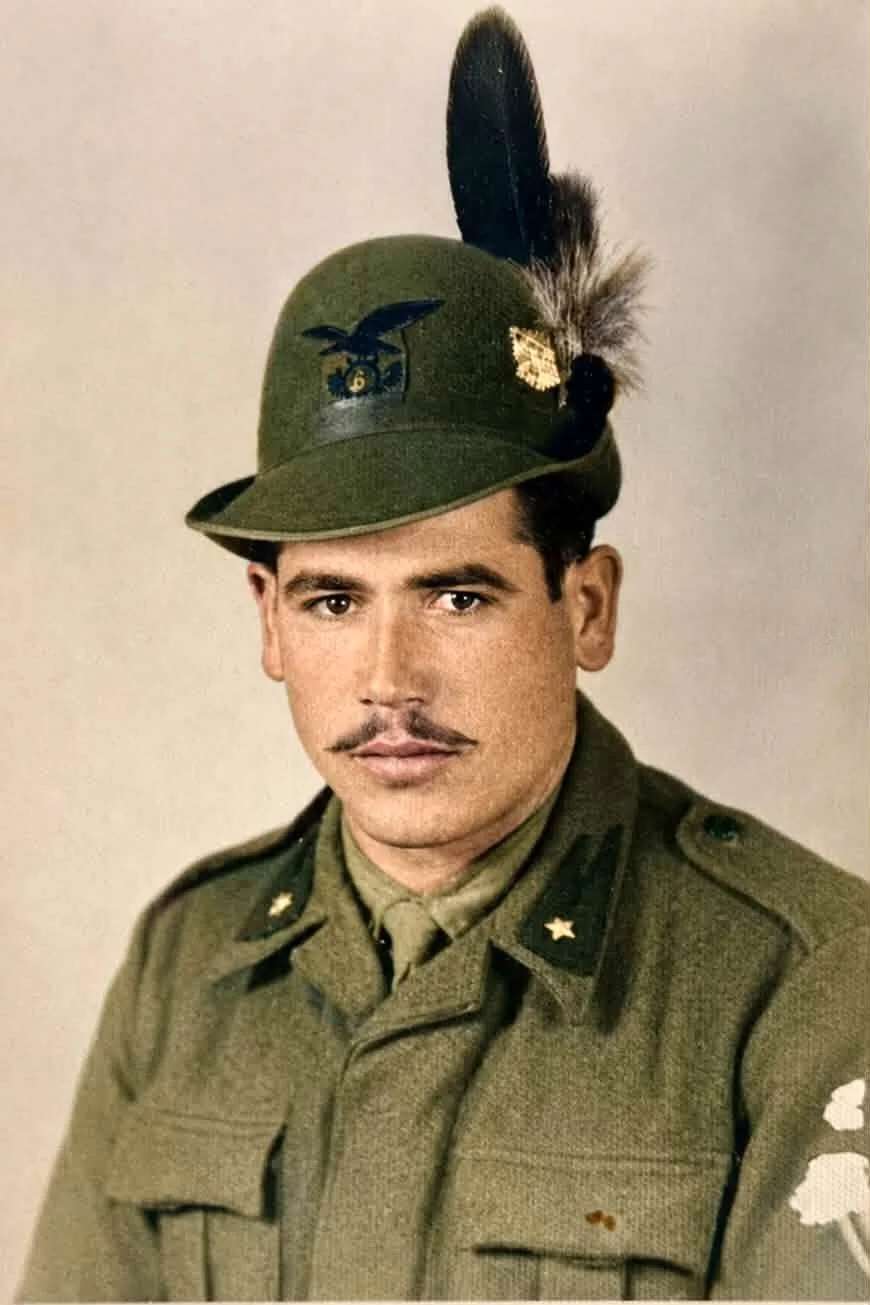
Before coming to Australia Franchino Rossi served as a member of The 8th Alpini Regiment, stationed in the Northern Italian border town of Tarvisio.
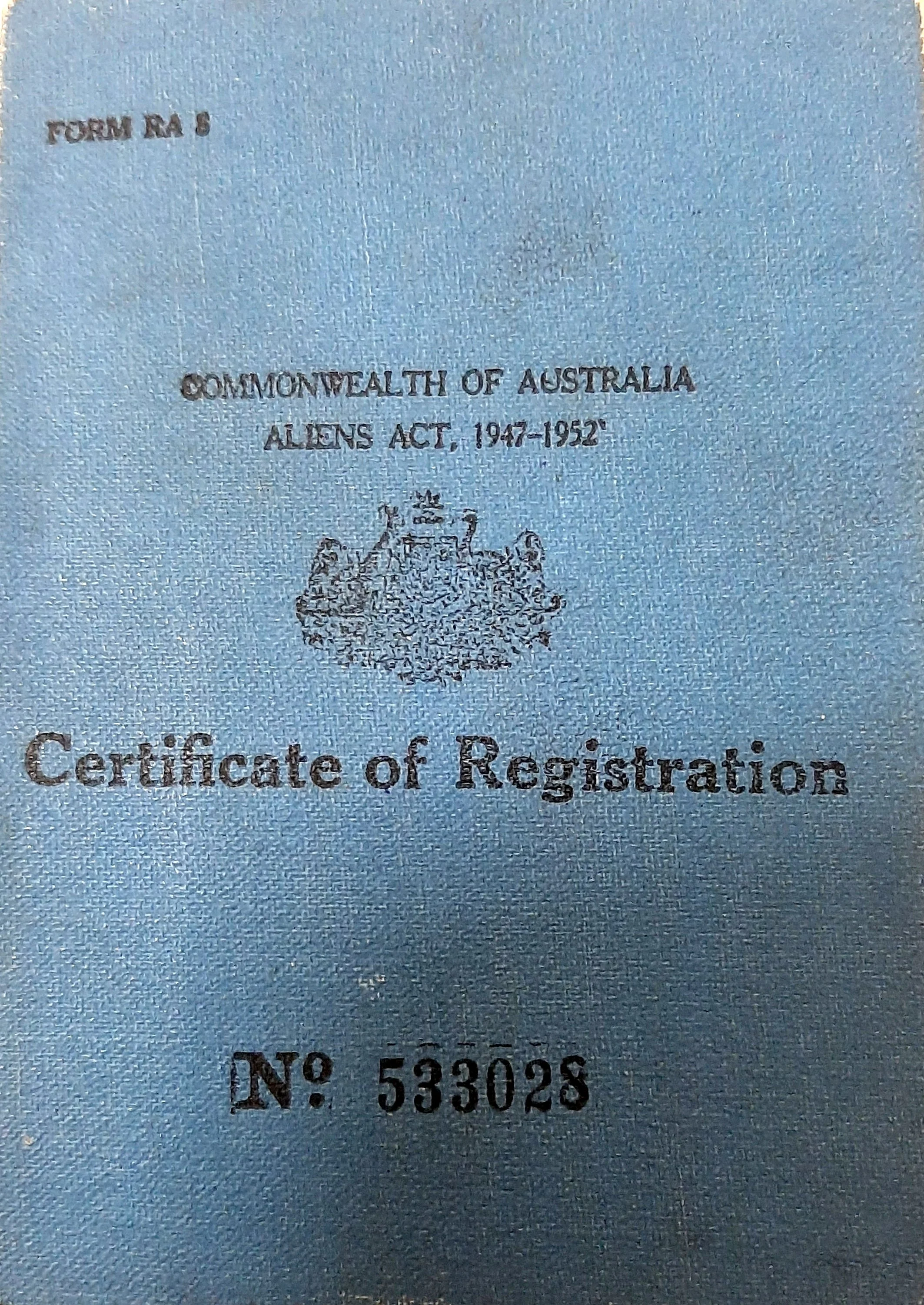
Franchino Rossi followed his two older brothers, Camillo and Domenico, from Abruzzo in central Italy to Australia in 1956. On arrival he was registered to work for ETSA at Leigh Creek, as a labourer. Initially, he lived in the single men’s huts known as “Silver City” and found whatever work he could around the coalfield. After a short period, he joined the Commonwealth Railways at Windy Creek, helping to construct the new standard-gauge railway from Port Augusta. In 1958, Franchino had returned to Leigh Creek and was reunited with his wife, Carinda, and his young daughter, Carla, whom he had never met. Carinda had been pregnant when Franchino left Italy and remained behind until he was established in Australia. Franchino, Carinda and Carla first lived with Camillo and his family at 5 Fifth Street for about six months before being allocated their own home at 16 Fourth Street (which adjoined Carmillo’s house at the back fence). They remained there until leaving Leigh Creek in 1972. During those sixteen years, Franchino worked as a driver in the Stores Department, while Carinda was employed as an assistant in the Mess and Northfield kitchens. Their family also grew, with the addition of five more children—Tony, Mario, Nicky, Rita and Luisa.
Three of Franchino’s four brothers—Camillo, Carmine and Domenico—and their families also lived and worked in Leigh Creek for varying periods during those years. His fourth brother, Ettore, settled in Whyalla and worked at the steelworks. Together, the Rossi families embraced the Australian way of life, seized every opportunity available to them, and worked tirelessly to build successful lives for themselves and their children. At the same time, they maintained their Italian heritage, traditions and strong family values, becoming respected members of the small Leigh Creek community.
These photographs tell the story of their life in Leigh Creek.
1956
These photographs show Franchino Rossi working for the Commonwealth Railways in 1956. His gang are drilling rock for blasting at Windy Creek as part of the construction of the standard Guage railway from Pt Augusta. This new line reached Leigh Creek in 1956 allowing a massive increase in the supply of coal to the Pt Augusta power station to keep up with South Australia’s growing demand for electricity. The men lived in a tent camp near to the construction site and often worked 10 hour shift in hard and isolated conditions. Although Franchino initially worked for ETSA at Leigh Creek, he went to work for the Railways because the pay was much better.